
 By Admin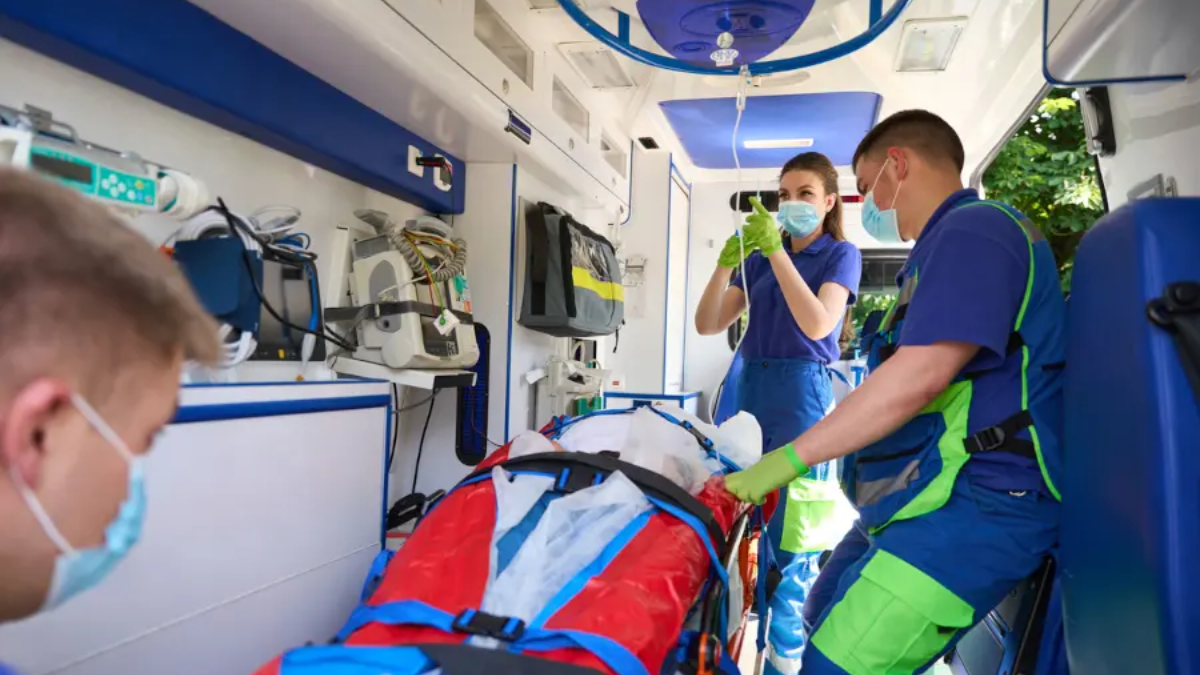
Disasters strike without warning. Whether it’s a natural calamity like floods and earthquakes or man-made emergencies such as industrial accidents and major fires, the damage can be massive and sudden. In these crucial moments, emergency healthcare services step in as the first line of defense. Their role is not just important — it’s life-saving and irreplaceable.
Emergency healthcare professionals respond quickly, provide immediate medical relief, stabilize survivors, and help prevent further loss of life. Their presence can make the difference between chaos and organized rescue. Let’s break down how emergency healthcare services become the backbone of disaster response and why they matter so deeply during large-scale emergencies.
How Do Emergency Healthcare Teams Provide Rapid Medical Relief During Disasters?
Speed is everything in a disaster. Emergency healthcare teams are trained to move fast, assess situations quickly, and begin treatment even before reaching hospitals. They provide essential first aid, control bleeding, support breathing, and stabilize injuries on the spot.
These teams often include paramedics, emergency medical technicians, specialized nurses, trauma doctors, and rescue professionals. Their immediate goal is simple yet vital: keep survivors alive until they can reach advanced care facilities.
Rapid response prevents complications, reduces mortality, and gives survivors a fighting chance.
Why Is On-Site Medical Triage Important in Disaster Situations?
One of the most critical tasks during a disaster is triage. This is the process of sorting patients based on the urgency of their condition. Instead of treating everyone in random order, emergency health teams categorize survivors to ensure those with life-threatening injuries get help first.
Triage helps manage large crowds, reduces panic, speeds up treatment, and ensures medical resources are used wisely. It’s a system that transforms chaos into coordinated care, especially when the number of injured people is overwhelming.
How Do Emergency Services Support Search and Rescue Operations?
Disaster response is never a one-team job. Emergency healthcare services work closely with firefighters, police, rescue forces, and local authorities. Together, they locate survivors trapped under debris, transport the injured safely, and provide medical care during rescue operations.
Healthcare teams often work in extremely risky situations — broken buildings, flooded areas, collapsed roads, or fire-affected zones. Their presence during rescue efforts increases the chances of survival for victims who need urgent medical attention.
What Role Do Emergency Hospitals and Trauma Centers Play After a Disaster?
Once survivors are brought from the disaster site, emergency departments and trauma centers become the hub of life-saving care. They are prepared to handle a sudden rush of patients with different injuries. Their facilities include ventilators, operating theatres, critical care units, and diagnostic tools that help assess and treat survivors quickly.
Trained emergency physicians and surgeons work around the clock to manage burns, fractures, internal injuries, infections, and shock. These hospitals form the second layer of defense in disaster response, offering advanced medical treatment when initial stabilization is done.
How Do Emergency Healthcare Services Coordinate with Disaster Management Authorities?
Disasters require teamwork on a massive scale. Emergency healthcare services actively coordinate with disaster management agencies, government bodies, NGOs, and community organizations.
They help plan evacuation routes, set up temporary medical camps, distribute emergency supplies, and manage communication between on-ground teams and hospitals. Their coordination ensures that resources reach the right place at the right time.
This collaboration strengthens the overall disaster response and reduces delays in life-saving efforts.
Why Is Mental Health Support an Important Part of Emergency Healthcare After Disasters?
Physical injuries are only one part of disaster impact. Survivors often experience shock, trauma, fear, and emotional distress. Emergency healthcare services now include mental health professionals who provide psychological first aid.
They help survivors process their experiences, calm their fears, and prevent long-term mental health issues.
Emotional healing is as important as physical recovery, and emergency teams play a crucial role in supporting both.
How Do Emergency Healthcare Services Help Communities Recover Faster?
Once the initial danger has passed, emergency healthcare services continue to monitor survivors. They treat infections, provide follow-up care, distribute medicines, and help prevent disease outbreaks that often occur after disasters.
They also train communities on safety, hygiene, and preventive steps to reduce future risks. Their extended support ensures communities can stand back on their feet faster and stronger.
FAQs
What are emergency healthcare services in disaster response?
They include medical teams, ambulance services, trauma units, and hospitals that provide immediate care during large-scale emergencies.
Why is triage important after a disaster?
Triage helps prioritize patients based on medical urgency so the most critical cases receive treatment first.
Do emergency healthcare teams work with rescue forces?
Yes, they work closely with police, fire services, and disaster management authorities to locate and treat survivors.
What injuries are commonly treated after disasters?
Fractures, burns, bleeding, respiratory distress, shock, infections, and trauma-related conditions.
Are temporary medical camps set up during disasters?
Yes, emergency healthcare teams often set up camps to treat victims in affected areas where hospitals are far or damaged.
Why is mental health support necessary in disaster response?
Survivors often suffer emotional trauma, and psychological support helps reduce long-term mental health issues.
Do public hospitals play a major role in disaster emergencies?
Absolutely, public hospitals manage most large-scale emergency cases due to their capacity and accessibility.
Conclusion
Emergency healthcare services are the backbone of disaster response. Their speed, skill, and coordination ensure that survivors receive immediate care when it matters the most. From on-site triage to hospital-based treatment, from mental health support to community recovery, these services provide a complete safety net during emergencies.
Their role is more than medical — they bring hope, structure, and stability during moments of fear and uncertainty. In every disaster, they stand at the frontlines, protecting lives and helping communities rebuild.
Key Takeaways
Emergency healthcare delivers life-saving support during disasters
Triage helps prioritize treatment for critical survivors
Healthcare teams work closely with rescue and disaster authorities
Emergency hospitals handle large patient inflows efficiently
Mental health support is crucial after trauma
Temporary medical camps expand access to care
Emergency services strengthen long-term community recovery