
 By Admin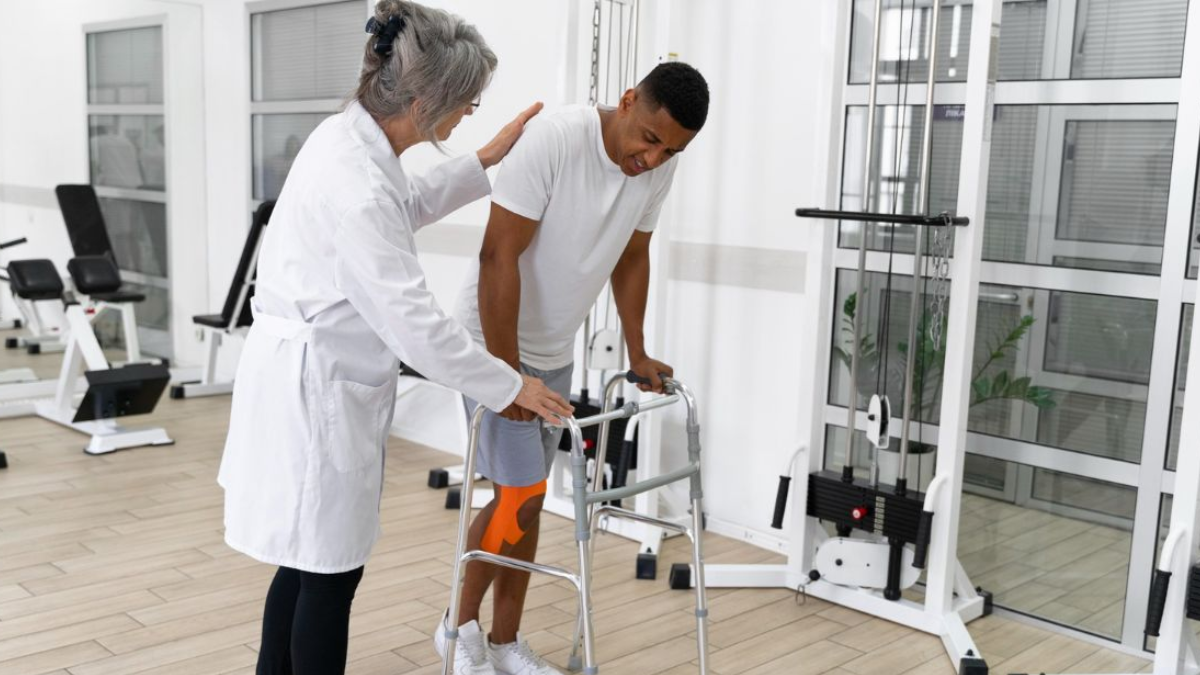
Orthopedic health plays an essential role in ensuring mobility, comfort, and quality of life. Bone and joint issues—whether caused by injuries, lifestyle factors, age-related degeneration, or medical conditions—can significantly affect daily functioning. Modern orthopedic care combines advanced diagnostics, precision treatments, minimally invasive surgeries, and structured rehabilitation programs to provide comprehensive solutions for bone and joint disorders.
This article explores advanced orthopedic care, causes of orthopedic problems, available treatments, advanced technologies, fracture management, joint replacement, rehabilitation, and long-term care.
Understanding Orthopedic Care
What Is Orthopedic Care?
Orthopedic care focuses on the diagnosis, treatment, prevention, and rehabilitation of conditions affecting the:
- Bones
- Joints
- Ligaments
- Muscles
- Tendons
- Spine
Orthopedic specialists treat both acute injuries and chronic musculoskeletal disorders.
Who Needs Orthopedic Care?
People experiencing:
- Persistent joint pain
- Sports injuries
- Osteoarthritis
- Back or neck pain
- Fractures
- Soft tissue injuries
- Mobility issues
often benefit from specialized orthopedic consultation.
Common Causes of Bone and Joint Problems
Age-Related Conditions
- Osteoporosis
- Arthritis
- Degenerative disc disease
Injuries and Accidents
- Sports injuries
- Road accidents
- Workplace injuries
- Falls
Lifestyle Factors
- Obesity
- Lack of exercise
- Poor posture
- Nutritional deficiencies
Medical Conditions
- Autoimmune disorders
- Genetic bone diseases
- Endocrine problems
Advanced Orthopedic Diagnostics
Diagnostic Tools Used
X-rays
Used to detect fractures, dislocations, and bone abnormalities.
MRI Scans
Provide detailed imaging of soft tissues, ligaments, muscles, and cartilage.
CT Scans
Useful in evaluating complex fractures and spinal issues.
Bone Density Test
Measures bone strength to diagnose osteoporosis.
Ultrasound
Helps identify soft tissue injuries and inflammation.
These diagnostic tools help orthopedic specialists create accurate treatment plans.
Treatment Solutions for Bone and Joint Pain
Non-Surgical Treatment Options
Medications
- Pain relievers
- Anti-inflammatory drugs
- Muscle relaxants
- Supplements for bone health
Physical Therapy
Improves:
- Flexibility
- Joint mobility
- Muscle strength
- Pain management
Lifestyle Modifications
- Weight control
- Posture correction
- Exercise routines
- Low-impact activities
Orthotic Support
- Braces
- Supports
- Customized footwear
These help stabilize joints and reduce pain.
Advanced Surgical Orthopedic Care
Minimally Invasive Procedures
Minimally invasive surgeries are preferred for:
- Faster recovery
- Reduced pain
- Smaller incisions
- Low complication risk
Common procedures include:
- Arthroscopy
- Ligament repair
- Joint debridement
Joint Replacement Surgeries
Knee Replacement
Used for severe arthritis and mobility loss.
Hip Replacement
Helps restore movement and reduce chronic hip pain.
Shoulder Replacement
Used when shoulder joint damage affects mobility and daily function.
Advanced implants and robotic-assisted techniques improve precision and long-term outcomes.
Spine Surgery
Performed for:
- Herniated discs
- Spinal stenosis
- Degenerative spine conditions
- Fractures impacting the spinal cord
Modern spine surgeries focus on minimal invasion and faster rehabilitation.
Fracture Management and Bone Injury Care
Types of Fractures Treated
- Simple fractures
- Complex fractures
- Open fractures
- Stress fractures
- Pediatric fractures
- Geriatric fractures
Fracture Treatment Methods
Casting and Splinting
Used to immobilize and heal simple fractures.
External Fixation
Metal devices outside the body stabilize fractured bones.
Internal Fixation
Involves:
- Plates
- Screws
- Rods
- Pins
used to align and support bone healing.
Post-Fracture Monitoring
Regular imaging and check-ups ensure bones heal properly and complications are avoided.
Management of Chronic Joint Pain
Arthritis Treatment
Orthopedic care for arthritis includes:
- Pain management
- Cartilage preservation
- Physiotherapy
- Joint injections
- Surgery for advanced cases
Sports Injury Treatment
Sports-related issues such as ligament tears, tendonitis, and muscle injuries require:
- Rest and immobilization
- Physiotherapy
- Arthroscopic surgery when needed
Back and Neck Pain Care
Treatments include:
- Spinal physiotherapy
- Pain injections
- Lifestyle correction
- Surgery for severe cases
Rehabilitation and Recovery Programs
Importance of Rehabilitation
Rehabilitation ensures:
- Faster healing
- Restored mobility
- Reduced pain
- Improved functional strength
- Prevention of future injuries
Types of Rehabilitation Programs
Post-Surgical Rehabilitation
Focuses on regaining strength, flexibility, and functional movement.
Sports Rehabilitation
Helps athletes return to play safely and quickly.
Physiotherapy
Includes:
- Manual therapy
- Strengthening exercises
- Balance training
- Mobility improvement
Occupational Therapy
Helps patients regain independence in daily activities.
Use of Modern Technologies in Orthopedic Care
Robotic-Assisted Surgeries
Ensures:
- Higher accuracy
- Precise implant placement
- Better long-term outcomes
3D Imaging and Planning
Helps customize joint replacement and complex fracture surgeries.
Regenerative Medicine
Includes:
- PRP therapy
- Stem cell therapy
Used to enhance tissue healing and reduce inflammation.
Digital Rehabilitation
Apps and digital platforms guide patients through home exercises.
Long-Term Bone and Joint Health Tips
Healthy Lifestyle Practices
- Balanced diet rich in calcium and vitamin D
- Regular exercise
- Avoiding smoking and alcohol
- Maintaining healthy weight
Preventive Measures
- Strength training
- Proper posture
- Using supportive footwear
- Early medical assessment when pain begins
Conclusion
Advanced orthopedic care offers comprehensive solutions for bone and joint pain, fractures, and rehabilitation. With modern diagnostic tools, expert treatment methods, minimally invasive surgeries, and structured rehabilitation programs, patients today achieve faster healing, improved mobility, and better long-term musculoskeletal health. Whether dealing with chronic arthritis, acute injuries, or degenerative conditions, early diagnosis and personalized treatment make a significant difference. Maintaining a healthy lifestyle and following preventive practices contribute greatly to lifelong bone and joint wellness.
FAQs
1. What conditions do orthopedic specialists treat?
They treat bone injuries, joint pain, fractures, arthritis, spine problems, and sports injuries.
2. Is surgery always necessary for orthopedic problems?
No. Most conditions are first treated with physiotherapy, medication, and lifestyle changes.
3. What is minimally invasive orthopedic surgery?
It is a technique using small incisions, causing less pain, faster recovery, and minimal scarring.
4. How are fractures treated?
Depending on severity, treatment may include casting, splinting, internal fixation, or external fixation.
5. What is orthopedic rehabilitation?
A program designed to restore strength, mobility, and function after injuries or surgery.
6. When should I visit an orthopedic doctor?
If you experience persistent pain, swelling, limited movement, or after a significant injury.
7. Can lifestyle changes improve joint health?
Yes. Exercise, proper diet, maintaining weight, and avoiding strain greatly support joint health.